Minimalism Isn’t Dying. Perfection Is.
Minimalism will survive because it is a design language. What is weakening is the belief that everything must look frictionless.
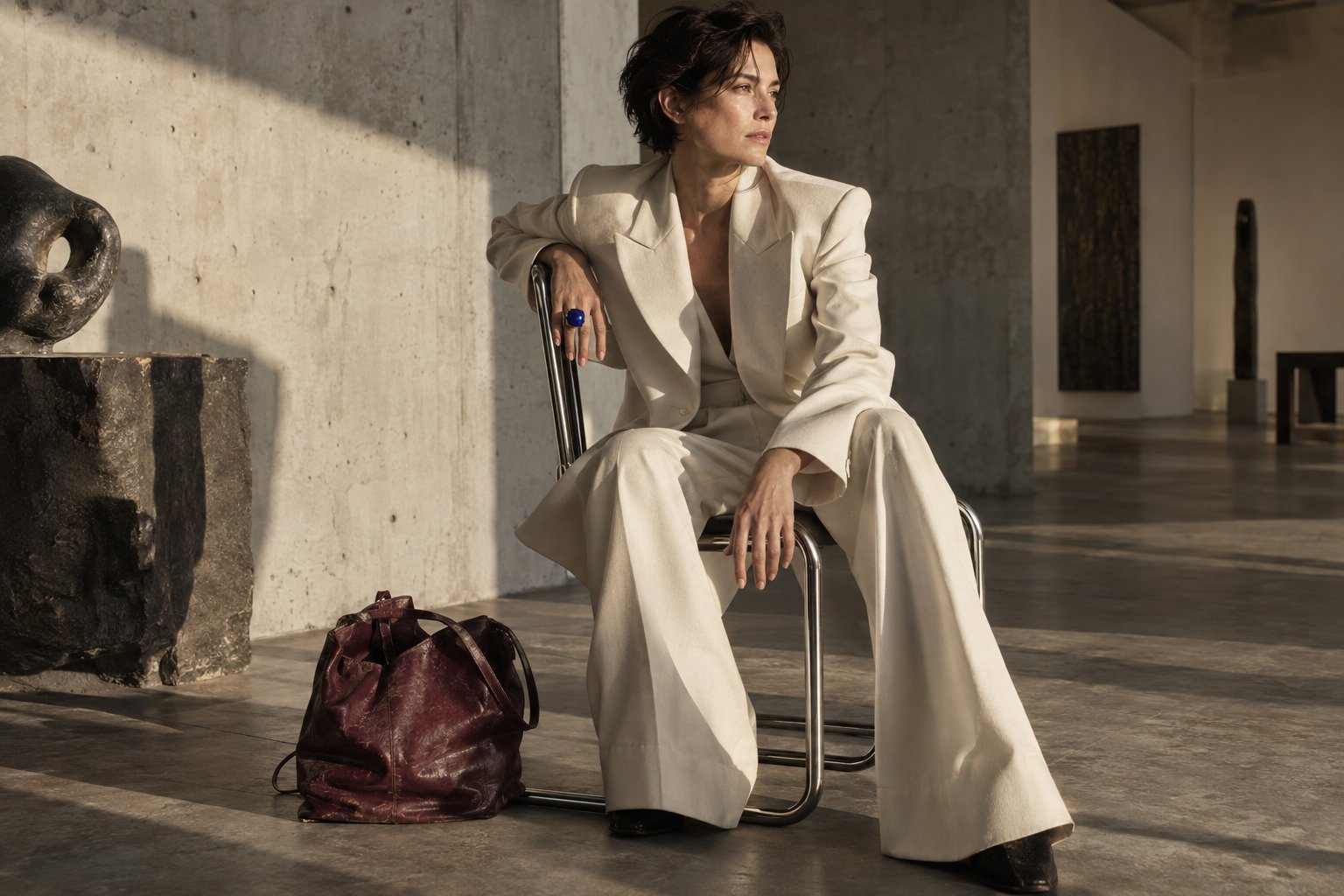
Every trend cycle loves a funeral.
Minimalism is dead. Maximalism is back. Clean girl is over. Color has returned.
The reality is more interesting.
Minimalism is not dying because minimalism is not one trend. It is a durable design language built around reduction, proportion, material and restraint. It will continue to produce extraordinary work.
What is weakening is perfection as a cultural requirement.
That distinction matters.
A minimal outfit can still feel deeply personal. A white room can still have character. A simple campaign can still be radical. The problem begins when reduction becomes sterilization and every irregularity is treated as an error.
The emerging appetite for expressive color, worn textures, clashing references and playful beauty is not necessarily a rejection of simplicity. It is a rejection of the feeling that life must be edited before it is allowed to be seen.
This is why the next cycle may produce strange hybrids: precise tailoring with chaotic accessories, clean architecture with unruly programming, luxury materials photographed with documentary immediacy.
The most interesting creative work often lives inside tension.
Minimalism versus maximalism is a convenient headline. Control versus personality is the more consequential argument.
Brands should not panic and repaint everything orange because a forecast says color is back. They should ask whether their systems leave enough room for human identity.
Minimalism can survive that question.
Perfection may have a harder time.