September 30, 2026 · Paris Fashion Week / Creative Direction · Opinion
Céline Dion, and the Power of Presence
You can build an enormous stage around Céline Dion, and your attention still comes back to the human being.
Essays on culture, identity, power, creative governance, and the mechanics of attention.
You can build an enormous stage around Céline Dion, and your attention still comes back to the human being.
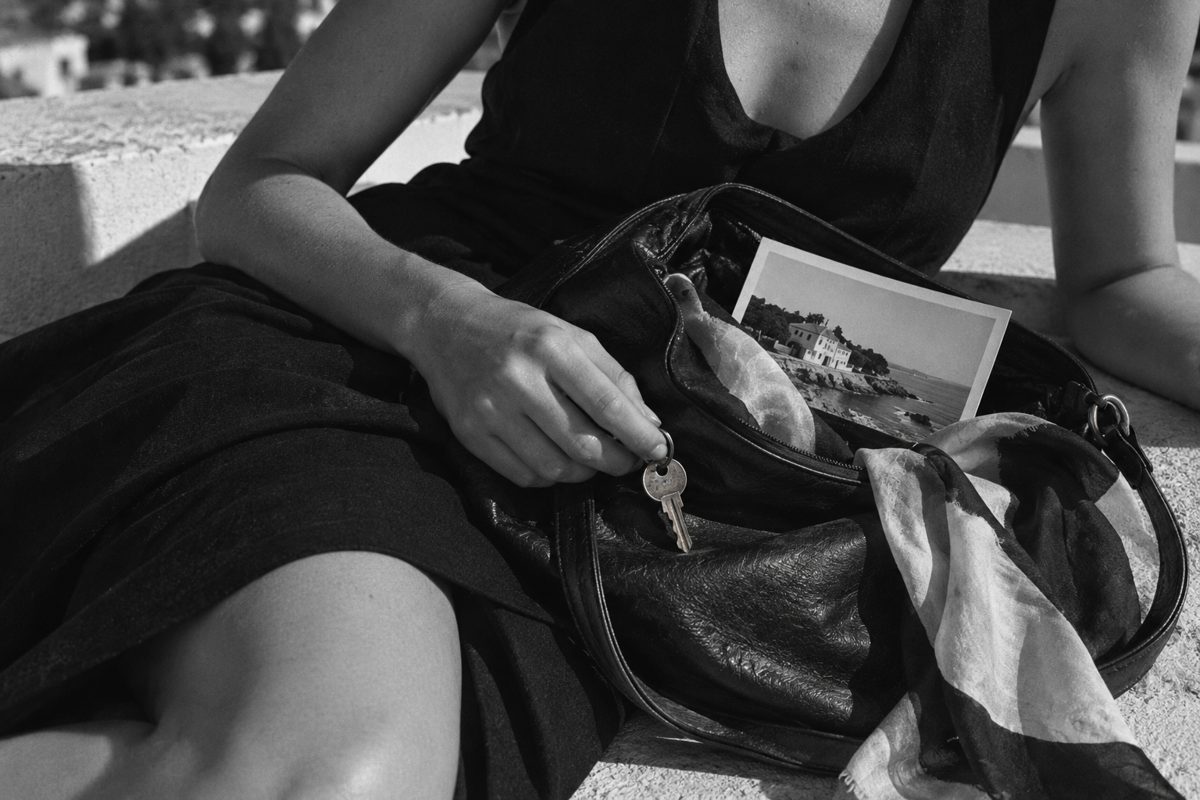
The image I keep returning to is a body carrying another body.
A photograph can describe a look. Motion reveals its behavior.
A logo can be recognized. Lore can be remembered.

The phone is not merely a distribution screen. It is becoming a native television format.

A creator can have perfect metrics and still be wrong for the story.
A collection becomes more interesting when the person wearing it is allowed to complicate the picture.
An archive becomes commercially interesting when it gives somebody a reason to care now.
The useful question after fashion week is what the audience can carry into its own life.
When everybody can make more, the scarce resource becomes knowing what not to make.
Experience describes what happens around the customer. Participation describes what the customer makes happen.
Quiet luxury sold restraint as sophistication. The problem is that once everybody learns the code, discretion becomes another uniform.
More color does not automatically mean more personality. The real shift is from aesthetic compliance toward authored identity.
The strongest creative idea should become more valuable every time the audience encounters it.
Luxury has never had more production capability and may never have had a greater risk of visual sameness.
Minimalism will survive because it is a design language. What is weakening is the belief that everything must look frictionless.
Ecommerce did not make the store irrelevant. It gave the store a different job.
The clean girl did not disappear because people suddenly stopped liking simplicity. She is disappearing because perfection stopped feeling interesting.
Most retail gamification adds a game to the store. The more interesting opportunity is to make the store itself playable.
Clean girl, quiet luxury, curated feeds and flawless AI imagery may all be symptoms of the same thing: an exhausted culture of optimization.
A position on the impact of AI generated imagery on creative workflows, and why approximation cannot replace intention in high stakes visual work.
A structural shift in attention, financing, and cultural production.
Why narrative continuity compounds attention, and why product placement in film and TV can build demand memory that ads rarely earn.
Why founder visibility has become an operating advantage, and why narrative authority compounds trust when brands stop hiding behind campaigns.
Why consistency has been misinterpreted as volume, and why strategic presence now outperforms constant publishing.
Why visual imperfection has replaced polish as a signal of credibility, and why mess has become a cultural boundary rather than an aesthetic trend.
More coming.