Make Retail Playable
Most retail gamification adds a game to the store. The more interesting opportunity is to make the store itself playable.
Retail keeps talking about experience. I think we have exhausted the word.
A DJ is not automatically an experience. A photo wall is not automatically an experience. A free drink, customization table or giant screen can be useful, but assembling enough activations in one room does not create participation.
The question I care about is different: What if the store behaved like a game system?
Not an arcade. Not a gimmick. A living environment in which customer behavior changes what happens next.
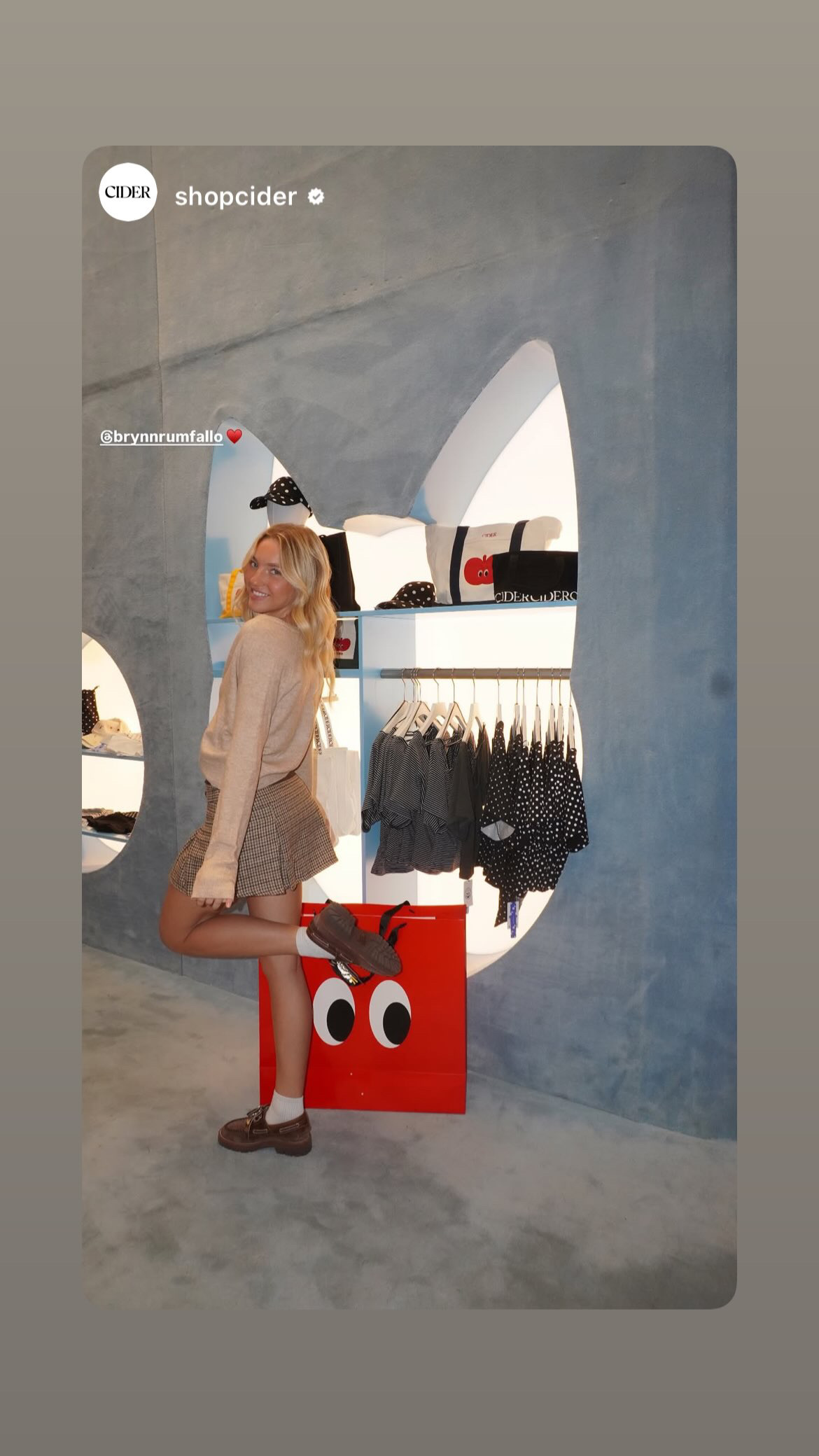
While leading creative strategy around a completed CIDER retail opening in San Jose, I developed a concept for gamifying the physical store. The concept was not implemented because of timing, but the thinking stayed with me because it revealed a much bigger opportunity.
Imagine entering a fashion store where products belong to different style identities. Your purchases influence a live storewide state. Collective behavior moves a visible meter. Reaching thresholds unlocks moments. Your transaction produces a personal result that connects back to loyalty and digital behavior. The environment responds to the people inside it.
The point is not the specific mechanic. The point is the loop.
Enter. Discover. Participate. Influence. Progress. Unlock. Remember. Return.
That is a fundamentally different relationship from enter, browse, purchase, leave.
Games understand something retail often forgets: people enjoy seeing the consequence of their actions. Progress is satisfying. Status is motivating. Discovery is pleasurable. Collective goals create social energy. Scarcity changes behavior. Identity creates attachment.
Retail already uses fragments of these principles through loyalty points, scavenger hunts, QR codes, limited drops and rewards. But most of those mechanics sit on top of the shopping experience. I am interested in what happens when participation becomes part of the architecture itself.
A playable store could respond to product discovery, fitting room behavior, purchases, community challenges, creator participation or repeat visits. Some actions might change screens. Others might unlock access. Some might create a personal identity that follows the customer between physical and digital environments.
The commercial discipline matters. A game that distracts from shopping is decoration. A useful retail system should be measured against traffic, conversion, units per transaction, average order value, loyalty enrollment, repeat visits and digital reengagement.
This is not about turning luxury boutiques into amusement parks. Different brands require different levels of visibility. For one brand the mechanic might be loud and collective. For another it might be nearly invisible, expressed through access, discovery and status.
The principle remains the same.
Customers should be able to do more than occupy a store.
They should be able to affect it.
Most conversations about gamification ask how to add a game to retail.
I think the more important question is how to make retail itself playable.