NYFW Is Over. The Brand Story Shouldn’t Be.
The useful question after fashion week is what the audience can carry into its own life.
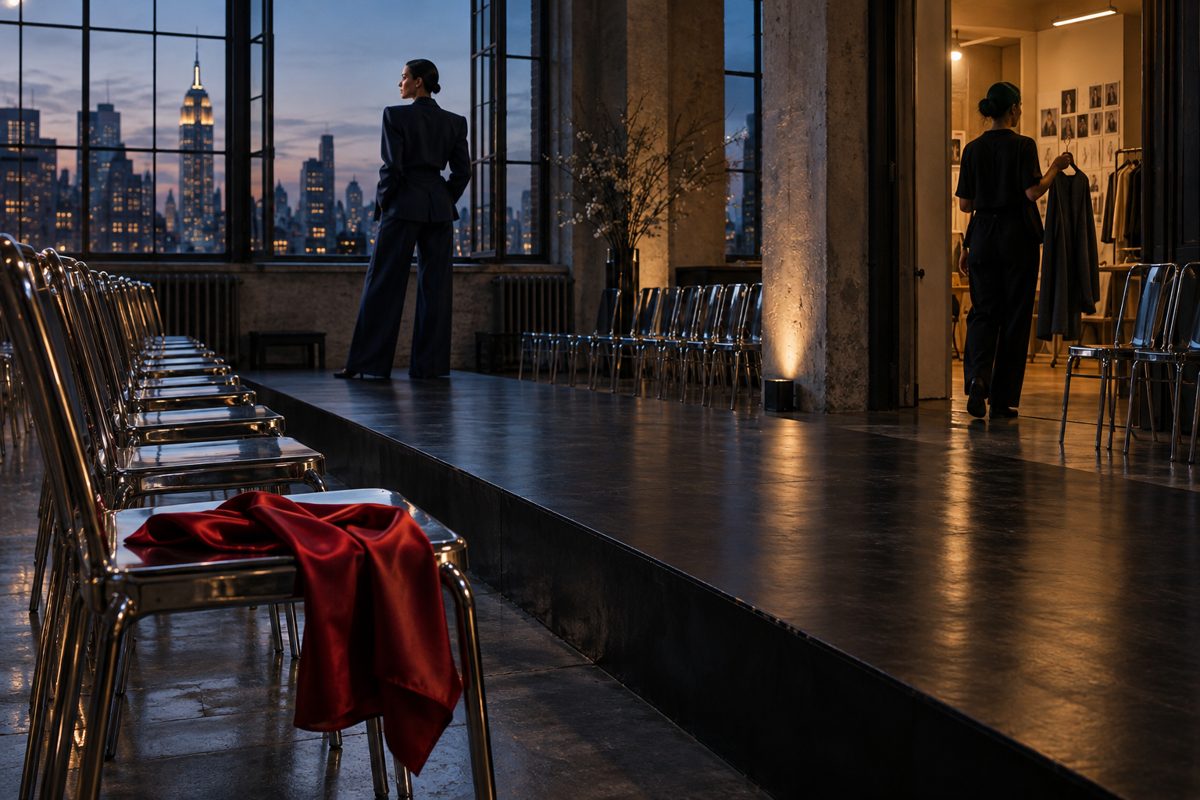
The CFDA’s official September calendar placed the Spring/Summer 2027 season between September 10 and 15, opening with Henry Zankov’s debut for Diane von Furstenberg and closing with Thom Browne. Now the calendar moves on. A brand’s creative responsibility should continue.
Associated Press’s season coverage identified expressive color, emphasized waists and movement through fringe among the week’s recurring ideas. Those observations are useful. My question begins one step later: what should a brand do with a collection once the immediate attention has passed?
A runway edit is one form of storytelling. It compresses a point of view into a sequence. The next expression needs its own reason to exist.
A film could reveal the relationship between two characters. A portrait could let us spend time with someone the runway introduced only briefly. A store could turn a material or gesture into something a customer can touch and understand. Each format should add information or feeling.
I would begin with the emotional proposition of the collection and write it in one sentence without naming a color, fabric or trend. If we cannot do that, we may have a strong visual surface but an unfinished story.
Then I would choose a small number of recurring elements worth protecting. Perhaps a character, a particular kind of humor, a way of moving or a relationship to place. These give the next chapter continuity without requiring every image to look identical.
The practical plan could be modest: one short film, a series of character portraits and one considered retail gesture. The goal would be to make each encounter deepen the same idea. A large production budget is no substitute for that discipline.
This is my proposed framework for what comes after fashion week, rather than a report on what any participating brand has commissioned. It should be evaluated through recognition, return visits, product interest and qualified inquiries, with sales tracked separately.
A show can make people look. The work afterward should help them remember, feel and choose.
Fashion week ends on a date. A persuasive brand world gives people somewhere to return.