Quiet Luxury Was Never Quiet. It Was Just Expensive Minimalism.
Quiet luxury sold restraint as sophistication. The problem is that once everybody learns the code, discretion becomes another uniform.
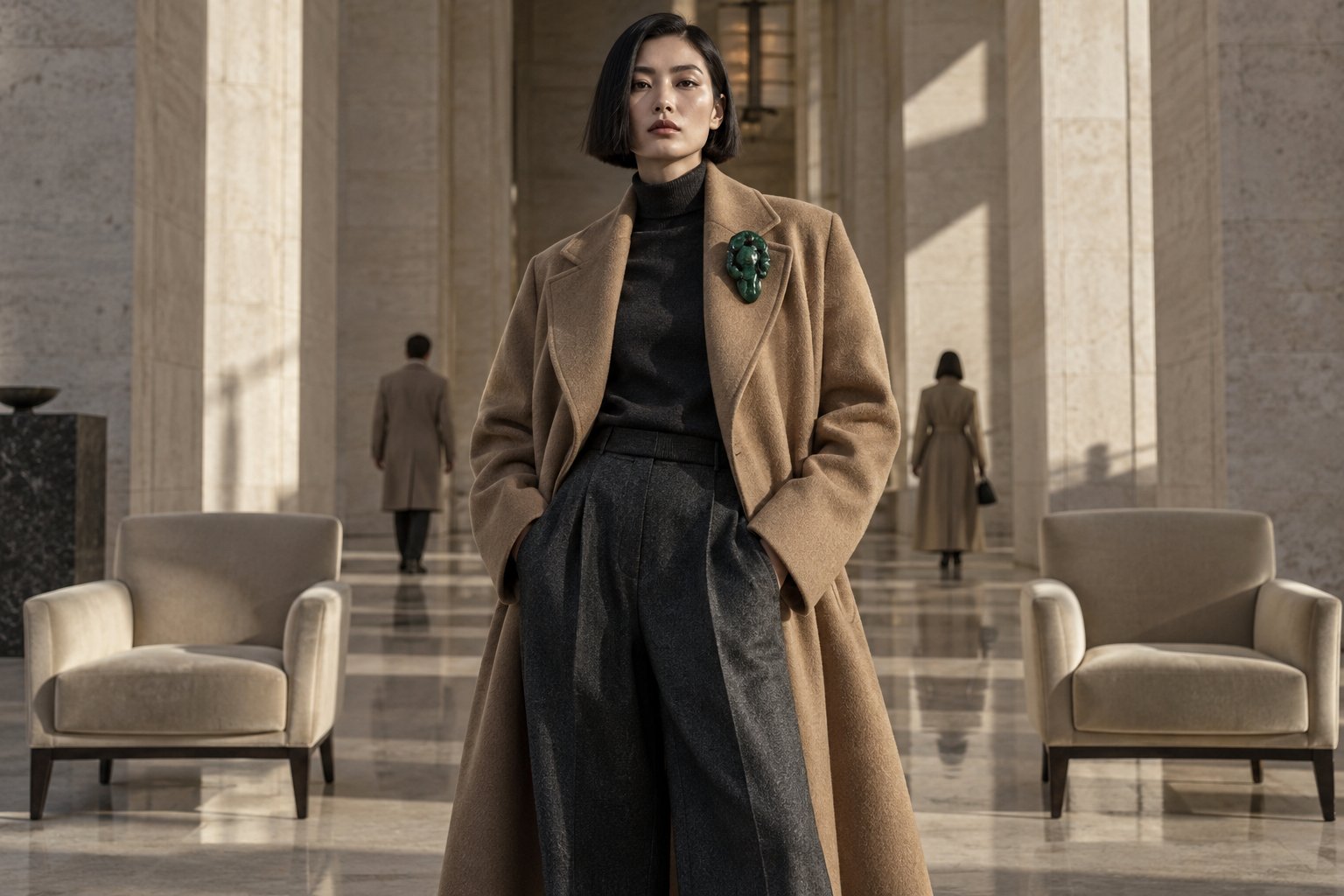
Quiet luxury was one of the cleverest branding tricks of the last fashion cycle.
It convinced consumers that not signaling status was itself the most sophisticated status signal.
No giant logo. No obvious monogram. No screaming color. Just the right coat, the right knit, the right leather and the confidence that the people who mattered would know.
There is nothing wrong with beautiful restraint. The Row did not become compelling because somebody invented a trend name. Exceptional material, proportion and construction have always mattered.
But culture did what culture always does. It took a nuanced idea and turned it into a template.
Suddenly everything was oatmeal.
Quiet luxury became less about extraordinary objects and more about a recognizable visual code for expensive minimalism. The paradox was obvious: a trend supposedly built around discretion became one of the most loudly communicated aesthetics on social media.
The more people learned the code, the less exclusive the code became.
That is why the next luxury cycle may become more expressive without abandoning sophistication. The opposite of quiet luxury is not necessarily giant logos. It may be character.
A strange proportion. A deeply specific color. A piece with history. A store with a point of view. A campaign with humor. A product people recognize from across the room without needing to see the logo.
True luxury has always involved scarcity, but scarcity does not only mean limited supply. It can mean scarce judgment. Scarce craft. Scarce imagination. Scarce cultural confidence.
Minimalism became vulnerable when it became reproducible.
Luxury brands now face a harder challenge: how do you remain elevated while becoming emotionally distinctive again?
The answer is not maximalism for maximalism's sake. Excess can become as generic as beige. The opportunity is authorship.
Quiet luxury taught consumers to appreciate material and restraint. The next phase should keep that intelligence while bringing back surprise.
Luxury does not need to become louder.
It needs to become harder to confuse with everybody else.